In the dynamic world of laser technology, the efficiency and longevity of laser machines are significantly influenced by the quality and performance of their consumables. As a dedicated laser consumables supplier, I've witnessed firsthand the crucial role these components play in the seamless operation of various laser applications. In this blog, I'll delve into the key components of laser consumables, shedding light on their functions, importance, and the impact they have on laser processes.
Protective Glasses
One of the most fundamental components of laser safety and consumables is Protective Glasses. These glasses are not just an accessory but a necessity in any laser - related environment. They are designed to shield the eyes from harmful laser radiation, which can cause serious and irreversible damage.
The technology behind protective glasses is quite sophisticated. Different lasers emit light at various wavelengths, and protective glasses are engineered to block specific wavelengths corresponding to the lasers they are intended to protect against. For instance, in a CO2 laser application, the glasses need to block the infrared radiation emitted by the CO2 laser.
The quality of the protective coating on the glasses is of utmost importance. A high - quality coating ensures maximum protection while also providing clear vision for the operator. Over time, the coating can degrade due to exposure to the laser, dust, and chemicals in the working environment. This is why regularly replacing protective glasses is essential. As a laser consumable supplier, I offer a wide range of protective glasses tailored to different laser types and applications, ensuring the highest level of safety for operators.
Laser Protective Lens
The Laser Protective Lens is another critical component in laser systems. It is typically placed in the optical path of the laser beam to protect the more expensive and sensitive optical components, such as focusing lenses and mirrors, from damage.
During laser processing, debris, smoke, and splashes are generated. These can contaminate or damage the main optical components if they are not intercepted by a protective lens. The protective lens acts as a sacrificial layer, absorbing the impact of these contaminants and protecting the rest of the optical system.
The material of the laser protective lens is carefully selected based on the laser's wavelength and power. For example, fused silica is a popular choice for high - power lasers because it has excellent optical properties and can withstand high - energy laser radiation. However, like any consumable, the laser protective lens has a limited lifespan. As it accumulates contaminants, its optical performance degrades, leading to a decline in the quality of the laser beam and, ultimately, the laser processing results. Regular replacement of the laser protective lens is crucial for maintaining the efficiency and accuracy of the laser system.
Laser Cutting Nozzles
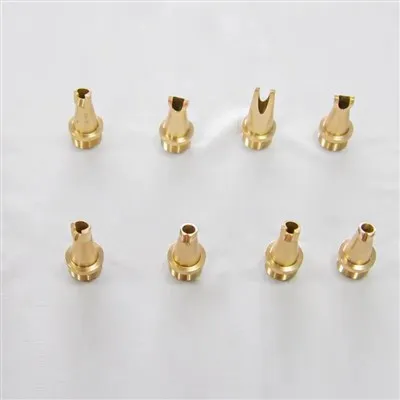
Laser Cutting Nozzles are indispensable for laser cutting applications. They play a vital role in controlling the flow of assist gas, which is used to blow away the molten material during the cutting process and prevent oxidation.
The design of the laser cutting nozzle is optimized to ensure a stable and focused gas flow. The shape, diameter, and length of the nozzle all affect the gas dynamics and, consequently, the cutting quality. For example, a smaller - diameter nozzle can provide a more concentrated gas flow, which is suitable for cutting thin materials with high precision. On the other hand, a larger - diameter nozzle may be required for cutting thicker materials to ensure sufficient gas pressure and flow rate.
Wear and tear are common issues with laser cutting nozzles. The high - temperature and high - pressure environment during the cutting process can cause the nozzle to erode, deform, or become clogged. A damaged nozzle can lead to inconsistent gas flow, resulting in poor cut quality, such as rough edges, dross formation, and reduced cutting speed. As a supplier, I offer a variety of laser cutting nozzles made from different materials, such as copper and stainless steel, to meet the diverse needs of customers and ensure optimal cutting performance.
Gas Filters
Gas filters are often overlooked but are essential components in laser systems. They are used to purify the assist gas and the laser gas, removing contaminants such as dust, oil, and moisture.
Contaminated gas can have a significant impact on the laser process. Dust particles in the gas can cause damage to the optical components, and moisture can affect the stability of the laser output. Oil can also contaminate the laser beam and reduce the cutting efficiency. Gas filters work by trapping these contaminants, ensuring that only clean gas enters the laser system.
There are different types of gas filters available, including particulate filters, coalescing filters, and activated carbon filters. Each type has its own function and is designed to remove specific types of contaminants. Regular replacement of gas filters is necessary to maintain the purity of the gas and the proper functioning of the laser system.
Laser Tubes
In some laser systems, especially CO2 lasers, laser tubes are a key consumable component. The laser tube is where the laser beam is generated through a process of stimulated emission.
The performance of the laser tube directly affects the power and quality of the laser beam. Over time, the gas inside the laser tube can degrade, and the electrodes can wear out. This leads to a decrease in laser power and a change in the beam profile. When this happens, the laser cutting or marking quality deteriorates, and the processing speed may also be affected.


Replacing the laser tube is a common maintenance procedure in laser systems. As a supplier, I provide high - quality laser tubes with different power ratings and specifications to meet the requirements of various applications.
Conclusion
In summary, the components of laser consumables are diverse and each plays a crucial role in the performance and longevity of laser systems. From protective glasses that safeguard operators to laser tubes that generate the laser beam, every consumable is essential for the smooth operation of laser applications.
As a laser consumables supplier, I am committed to providing high - quality products that meet the highest standards of performance and safety. Whether you are a small - scale workshop or a large - scale manufacturing plant, I have the right consumables for your laser machines.
If you are interested in purchasing laser consumables or have any questions about our products, please feel free to contact us for a detailed discussion. Our team of experts is ready to provide you with personalized solutions based on your specific needs.
References
- "Laser Technology and Applications" by John A. Sell.
- "Handbook of Laser Materials Processing" edited by S. L. Kaplan.
- Industry research reports on laser consumables and their market trends.