As a supplier of laser welding machines, I understand the importance of keeping these high - tech tools in optimal working condition. Laser welding machines are complex pieces of equipment that can encounter various issues during operation. In this blog post, I'll share some practical tips on how to troubleshoot a laser welding machine.
1. Power - related Issues
One of the most common problems with laser welding machines is power - related issues. If the machine fails to turn on, the first step is to check the power supply. Ensure that the power cord is properly plugged into both the machine and the electrical outlet. A loose connection can prevent the machine from receiving power.
If the power cord is securely connected and the machine still doesn't start, it might be a problem with the circuit breaker. Check the electrical panel in your facility to see if the breaker for the laser welding machine has tripped. If it has, reset it and try turning on the machine again. However, if the breaker trips repeatedly, there could be a short - circuit in the machine, and it's best to contact a professional technician.
Another power - related issue could be related to the power switch on the machine itself. Over time, these switches can wear out or become damaged. Inspect the switch for any visible signs of damage such as cracks or loose parts. If you suspect the switch is faulty, it may need to be replaced.
2. Laser Output Problems
Insufficient or inconsistent laser output is a major concern in laser welding. First, check the laser source. The laser tube or module is the heart of the laser system. If the laser output is weak, the laser tube might be nearing the end of its lifespan. Most laser tubes have a specified operating hours limit, and once this limit is reached, the output power will gradually decline.
Dirt or debris on the laser optics can also cause a reduction in laser output. The mirrors and lenses in the laser path need to be kept clean. Use a clean, lint - free cloth and a suitable optical cleaning solution to gently wipe the optics. Be extremely careful not to scratch the surfaces, as even minor scratches can significantly affect the laser beam's quality and intensity.
The cooling system of the laser source is also crucial for consistent laser output. The laser generates a large amount of heat during operation, and if the cooling system fails to maintain the proper temperature, the laser output can be affected. Check the coolant level in the cooling system and ensure that the coolant is flowing properly. If the temperature of the coolant is too high, it might indicate a problem with the cooling pump or the radiator.
3. Welding Quality Issues
Poor welding quality can manifest in various ways, such as weak welds, excessive spatter, or uneven weld seams. One of the main reasons for weak welds is improper laser power or welding speed. If the laser power is too low, the metal may not melt sufficiently, resulting in a weak bond. On the other hand, if the welding speed is too fast, the heat may not penetrate the metal deeply enough.
Adjust the laser power and welding speed according to the type and thickness of the metal being welded. Different metals have different melting points and thermal conductivities, so it's essential to use the appropriate settings. You can refer to the machine's user manual for recommended settings based on the material.
Excessive spatter can be caused by several factors. Contaminants on the metal surface, such as oil, rust, or dust, can cause spattering during welding. Make sure to clean the metal surfaces thoroughly before welding. Additionally, incorrect shielding gas flow rate can also lead to spatter. The shielding gas protects the weld pool from oxidation and helps to control the welding process. Check the gas flow meter and adjust the flow rate as needed.
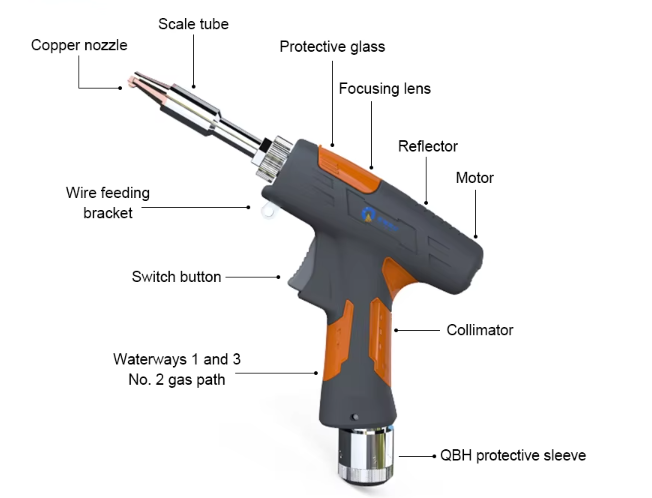
Uneven weld seams can be a result of misaligned welding heads or unstable workpiece positioning. Inspect the welding head to ensure that it is properly aligned with the workpiece. If the head is misaligned, it can cause the laser beam to hit the metal at an incorrect angle, resulting in uneven welds. Also, make sure the workpiece is firmly held in place during welding to prevent any movement.
4. Software and Control Issues
Modern laser welding machines are often controlled by sophisticated software. If you encounter problems with the software, such as error messages or unresponsive controls, the first thing to do is to restart the machine and the control computer. Sometimes, a simple restart can resolve minor software glitches.
If the problem persists, check for software updates. Manufacturers often release updates to fix bugs, improve performance, and add new features. Visit the official website of your laser welding machine's manufacturer to download the latest software version and follow the installation instructions carefully.
In case the control panel buttons are unresponsive, it could be due to a hardware problem with the control panel. Check for any visible damage to the panel, such as loose connections or broken buttons. If you're not comfortable troubleshooting the hardware yourself, it's advisable to contact the manufacturer's technical support.
Recommended Products
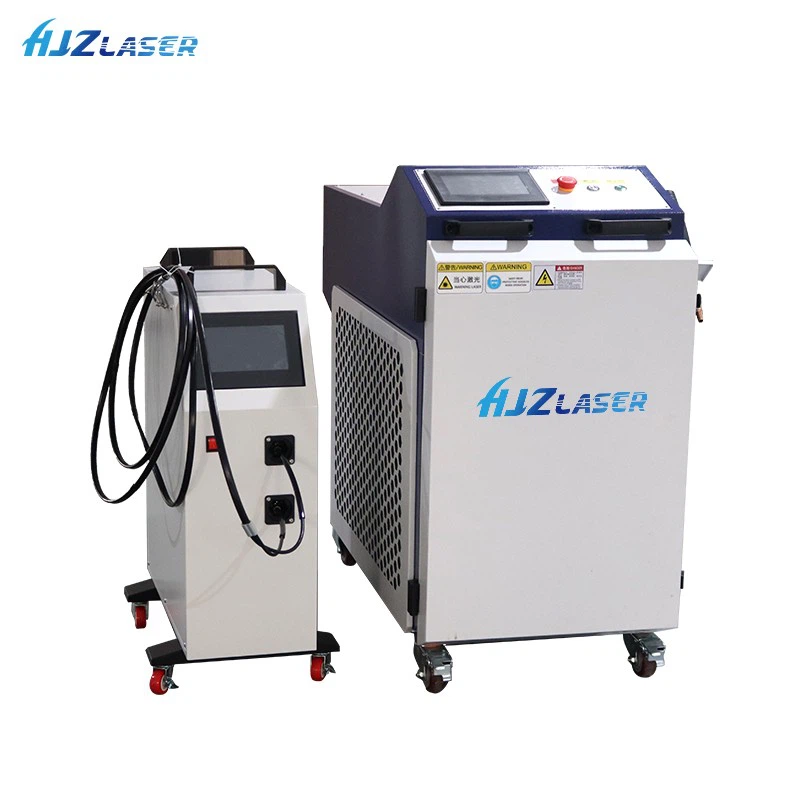
As a supplier, I'd like to recommend some of our popular laser welding machines. The 3 in 1 Handheld Laser Welding is a versatile option that combines welding, cleaning, and cutting functions in one device. It's suitable for a wide range of applications and is easy to operate.
For those in the dental industry, our Dental Laser Welder is specifically designed to meet the high - precision welding requirements of dental work. It offers excellent weld quality and reliability.
If you need a high - power laser welding solution, the 1500 Watt Laser Welder is a great choice. With its powerful laser source, it can handle thick and difficult - to - weld materials efficiently.
Conclusion
Troubleshooting a laser welding machine requires a systematic approach and a good understanding of the machine's components and operation. By following the tips outlined in this blog post, you can identify and resolve many common issues. However, if you encounter complex problems that you're unable to solve on your own, don't hesitate to reach out to us. As a professional laser welding machine supplier, we have a team of experienced technicians who can provide you with the necessary support and guidance. Whether you're looking for troubleshooting assistance or interested in purchasing a new laser welding machine, we're here to help. Contact us to start a procurement discussion and find the best solution for your welding needs.
References
- Laser Welding Machine User Manuals
- Industry Standards and Regulations for Laser Welding Equipment
- Research Papers on Laser Welding Technology and Troubleshooting